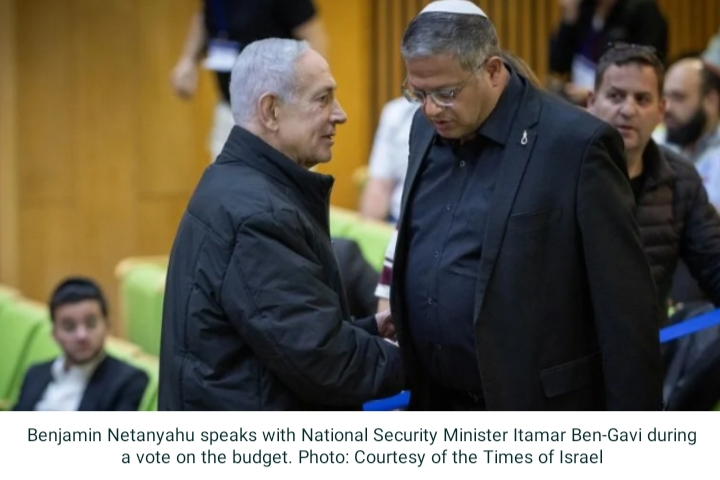
The Israeli parliament Knesset on Monday approved the largest national budget in the country’s history, totaling approximately $271 billion, with a record allocation for the defense sector. Finance Minister Bezalel Smotrich described the budget as a tool to help reshape the geopolitical reality of the Middle East, while regional analysts view it as a signal of long-term military preparation across multiple fronts. By passing the budget, Prime Minister Benjamin Netanyahu managed to avoid the risk of early elections, as failure to approve it within the legal deadline could have led to the dissolution of parliament. Despite disruptions caused by prolonged opposition speeches and missile alert sirens linked to Iran, the bill ultimately passed with 62 votes in favor and 55 against. For the 2026 fiscal year, approximately $45.8 billion has been allocated to defense, marking a significant increase compared to previous years, largely driven by the ongoing Gaza war and heightened tensions involving Iran. At the same time, Israel’s expanded military operations against Hezbollah in Lebanon and broader regional instability have played a key role in boosting defense spending. Professor Mohammed Elmasry of Doha Institute for Graduate Studies stated that the budget reflects Israel’s multi-front war strategy, suggesting the possibility of prolonged conflicts involving Syria, Lebanon, Palestinian territories, and Iran. Meanwhile, continued U.S. military assistance—amounting to roughly $3.8 billion annually—further strengthens Israel’s capabilities. The budget also significantly increases funding for far-right coalition partners, particularly those supporting settlement expansion in the occupied West Bank. The anti-settlement organization Peace Now has criticized the move, claiming that while other sectors face cuts, settlement funding remains intact despite its controversial status under international law. Opposition leader Yair Lapid has labeled the budget as “the biggest robbery in the state’s history,” while former Prime Minister Naftali Bennett condemned it as reckless and against public interest, arguing that at a time when austerity is needed during war, the government is prioritizing political interests over responsible use of state funds.
Israel wants to divide and rebuild the Middle East, approves budget