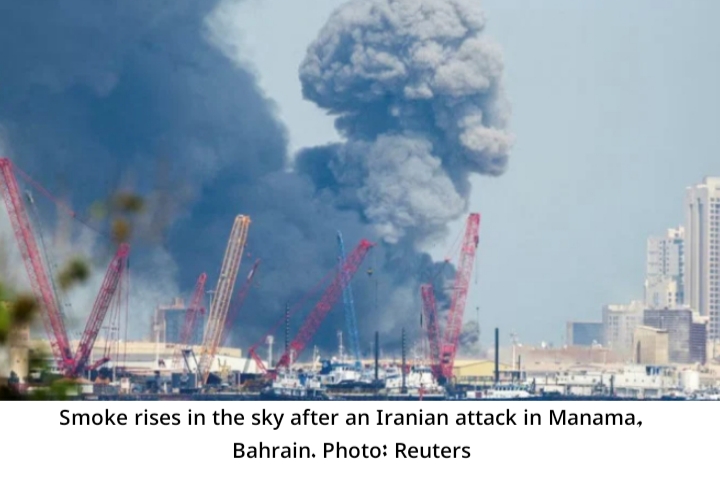
The ongoing conflict in the Middle East has escalated significantly, with Iran intensifying retaliatory strikes in response to military operations by the United States and Israel, leading to major shifts in the region’s security dynamics. Under the current conditions, a large portion of U.S. ground forces—except for fighter pilots and essential aviation and maintenance crews—have been relocated from their main bases and are now operating from dispersed and remote locations due to increased threats. Reports indicate that many American troops have taken shelter in hotels, office buildings, and temporary facilities for safety reasons.
Iran’s Islamic Revolutionary Guard Corps (IRGC) has announced efforts to track down dispersed U.S. personnel and has even called on civilians to report their locations. Despite these threats, U.S. military officials maintain that operations against Iran are ongoing, with the conflict now entering its fourth week.
According to the U.S. Department of Defense, thousands of military targets across Iran have already been struck, and plans are in place to intensify these operations further. At the beginning of the conflict, approximately 40,000 U.S. troops were deployed across the Middle East; since then, several thousand have been repositioned to different locations, including some redeployed to Europe, although a significant number remain in the region outside their primary bases.
Military analysts suggest that this dispersed posture has made coordinated operations more challenging. While temporary operation centers can be established, they often come with reduced efficiency and limitations in handling heavy equipment and advanced systems.
Iranian strikes have caused notable damage to several U.S. military installations across the region. In Kuwait, an attack on the Shuaiba port destroyed a key operations center and resulted in casualties. The Ali Al Salem Air Base sustained drone damage affecting aircraft and infrastructure. In Qatar, the Al Udeid Air Base was hit, damaging critical radar systems. In Bahrain, communication systems of the U.S. Fifth Fleet were targeted, while in Saudi Arabia, the Prince Sultan Air Base suffered damage to fuel and communication facilities from missile and drone attacks.
In a significant strategic move, Iran has effectively leveraged control over the Strait of Hormuz, placing pressure on global energy supplies. This has extended the impact of the conflict far beyond the Middle East, raising concerns over global oil and gas markets and increasing economic uncertainty worldwide.
Experts believe the current situation poses a serious challenge for the United States. Managing a prolonged conflict with dispersed forces is increasingly difficult, and gaps in pre-conflict planning are becoming more apparent. As a result, uncertainty continues to grow regarding how long the conflict will last and how far its consequences will spread on the global stage.
13 US bases ‘uninhabitable’ after Iranian attack;