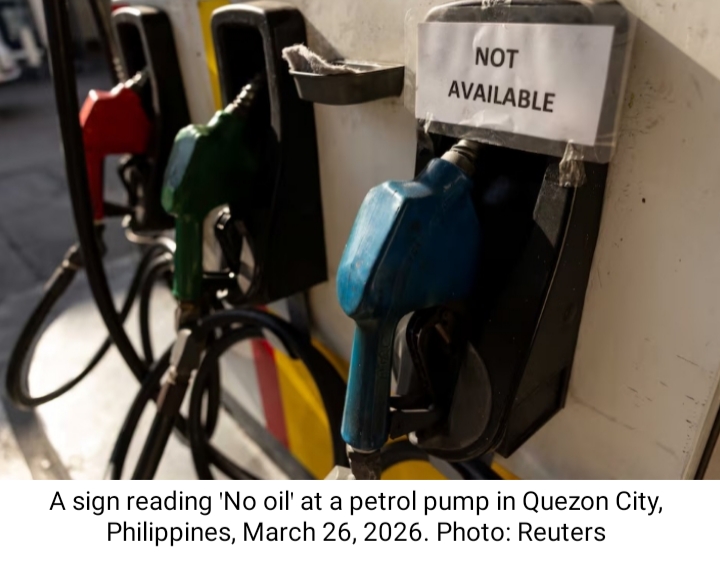
Due to the ongoing conflict in the Middle East and the disruption of the strategically important Strait of Hormuz, fuel shortages across various Asian countries have intensified, compounded by China’s export restrictions and Thailand’s similar measures, prompting countries to desperately seek alternative energy sources, resort to temporary solutions, adopt energy swap strategies and implement rationing and strict usage restrictions; Indonesian President Prabowo Subianto, during his visit to Tokyo, has proposed an LNG-for-LPG swap, Japan’s state-backed oil and gas company Inpex is negotiating an LPG-LNG exchange agreement with India, the Philippines has already received diesel assistance from Japan, Vietnam has requested urgent energy support, while Vietnam, heavily affected by China’s export ban, is now seeking additional jet fuel supplies from Brunei, India, Japan, and South Korea; with the temporary easing of U.S. sanctions on Russian oil exports, countries including Sri Lanka, Bangladesh, and Thailand are turning to Russia, although executing deals before the U.S. sanctions expire on April 11 poses a major challenge; the crisis has forced the Philippines to declare a national fuel emergency, Sri Lanka to implement a four-day workweek and fuel rationing, Myanmar to allow private vehicles to operate on alternate days, and Indonesia to impose strict fuel usage limits in the coming days; smaller nations like New Zealand face severe difficulties in competing with larger countries for energy security and have thus strengthened contacts with suppliers in Singapore, Malaysia, and South Korea; according to Hiroshi Hashimoto, Senior Fellow at the Institute of Energy Economics Japan, bilateral agreements can provide short-term relief from fuel shortages, but prolonged conflict will require coordinated regional efforts, urging Asian countries to help each other and negotiate with alternative suppliers through a multilateral regional framework, while experts warn that if the crisis persists, individual national measures will be insufficient, making integrated, region-wide strategies and rapid export-import logistics management essential to maintain energy security and economic stability.
How Asian countries are dealing with the energy crisis