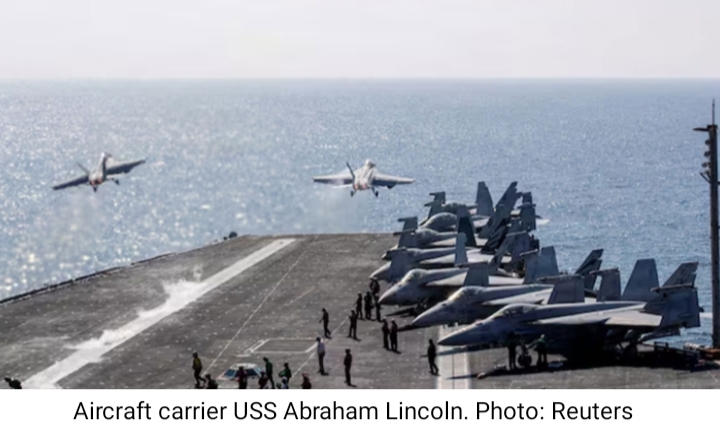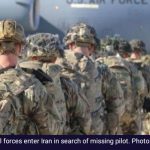
Thousands of paratroopers from the U.S. 82nd Airborne Division have begun arriving in the Middle East, according to two American officials who spoke to Reuters on Monday.
This movement comes as President Donald Trump considers the next steps regarding potential military action against Iran. On March 18, Reuters first reported that the Trump administration was weighing the deployment of additional U.S. forces to the region. Such a step could include options that extend to operations inside Iranian territory.
The paratroopers, departing from Fort Bragg in North Carolina, are joining several thousand Navy, Marine, and special operations personnel already stationed in the region. Last week alone, about 2,500 Marines arrived in the area.
Officials, speaking on condition of anonymity, declined to provide exact locations for the new troops, though they indicated that the deployment had been anticipated. The additional forces include personnel from the 82nd Airborne Division headquarters, logistics and support units, and a brigade combat team.
A U.S. official emphasized that no decision has yet been made to send troops directly into Iran. The primary purpose of this deployment is to maintain the capability to conduct any necessary future military operations in the region.
Multiple Options for Trump
The U.S. military could be used for a variety of objectives if conflict with Iran escalates. One possibility discussed within the administration is a mission targeting Kharg Island, Iran’s key oil export hub. Earlier reports in March indicated that the administration explored plans for such an operation, though it would carry significant risks, as Iran possesses missiles and drones capable of striking the island.
Another option considered internally involves sending ground forces into Iran to seize highly enriched uranium. This approach would require U.S. troops to remain in the country for an extended period to locate and extract the radioactive material.
The Trump administration has also discussed deploying forces in Iran to ensure the safe passage of oil vessels through the Strait of Hormuz. While this operation would primarily rely on air and naval power, the potential use of ground forces along the Iranian coast has not been ruled out.
On Monday, President Trump stated that the U.S. is negotiating with a “relatively flexible party” to end hostilities in Iran, while warning Tehran that it must either reopen the Hormuz Strait or face attacks on its oil and power infrastructure.
Using ground forces, even in a limited role, carries political risks for Trump. Public opinion shows little appetite for war, and he has pledged not to involve the U.S. in new conflicts in the Middle East.
Since operations began in Iran on February 28, the United States has targeted over 11,000 sites. Iran’s counterattacks have so far wounded more than 300 American troops and resulted in the deaths of 13 service members.
Thousands of US paratroopers in the Middle East, US is increasing its strength