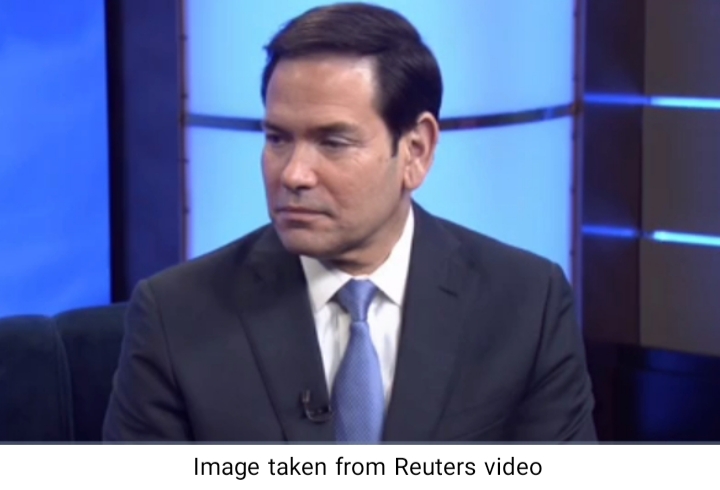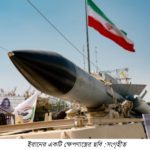
US Secretary of State Marco Rubio said in an interview with Al Jazeera that communication between Washington and Tehran has not been completely severed, but is continuing largely through intermediaries, with some limited direct contacts also taking place; he emphasized that while the United States prefers a diplomatic resolution, it will continue—and if necessary intensify—its military campaign until Iran abandons its nuclear and missile programs, and warned that the strategically vital Strait of Hormuz will be kept open “one way or another,” adding that US war objectives could be achieved within weeks rather than months; at the same time, US President Donald Trump issued a stark warning on social media, threatening to destroy Iran’s energy infrastructure if a ceasefire is not reached soon, a stance analysts interpret as part of a dual-track strategy combining ongoing diplomatic engagement with increased military and economic pressure; Rubio also noted that while the United States would welcome political change in Iran if an opportunity arises, it is not an official objective, and he criticized some NATO allies for denying access to military bases during the conflict, highlighting coordination gaps within the alliance, while adding that Washington is closely monitoring developments in Cuba and Venezuela.
US’s two-pronged strategy in the Iran crisis: A message of intensifying military operations alongside negotiations—Marco Rubio